// man peruhack · faq
What people
always ask us
What are the talks about?
Offensive security, exclusively. Every talk shows security from the attacker's perspective: vulnerability research and exploitation, reversing and malware, low-level, web, cloud and infrastructure, hardware and firmware, AI and new attack surfaces, with evidence and demos where it makes sense. No product talks, no sales, no purely defensive talks: that has been PERÚHACK's identity since 2013.
When and where is it?
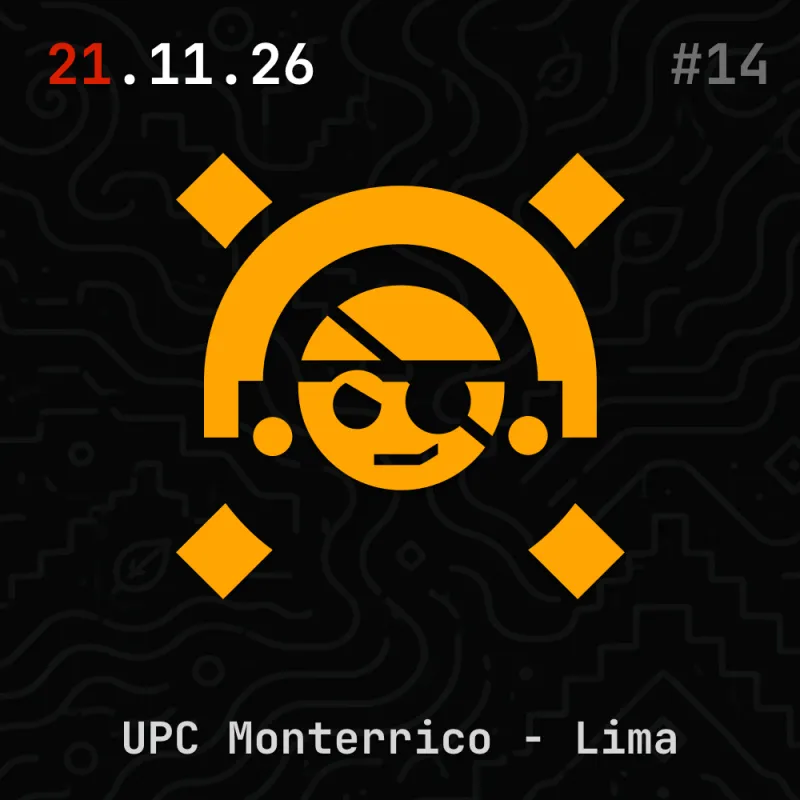
On Saturday, November 21, 2026 at UPC Monterrico, Lima. Check-in starts at 08:15 (Lima time, UTC−5). The auditorium fills up every year: register as soon as registration opens, and follow @peruhackcon to hear about it first.
Is it really free?
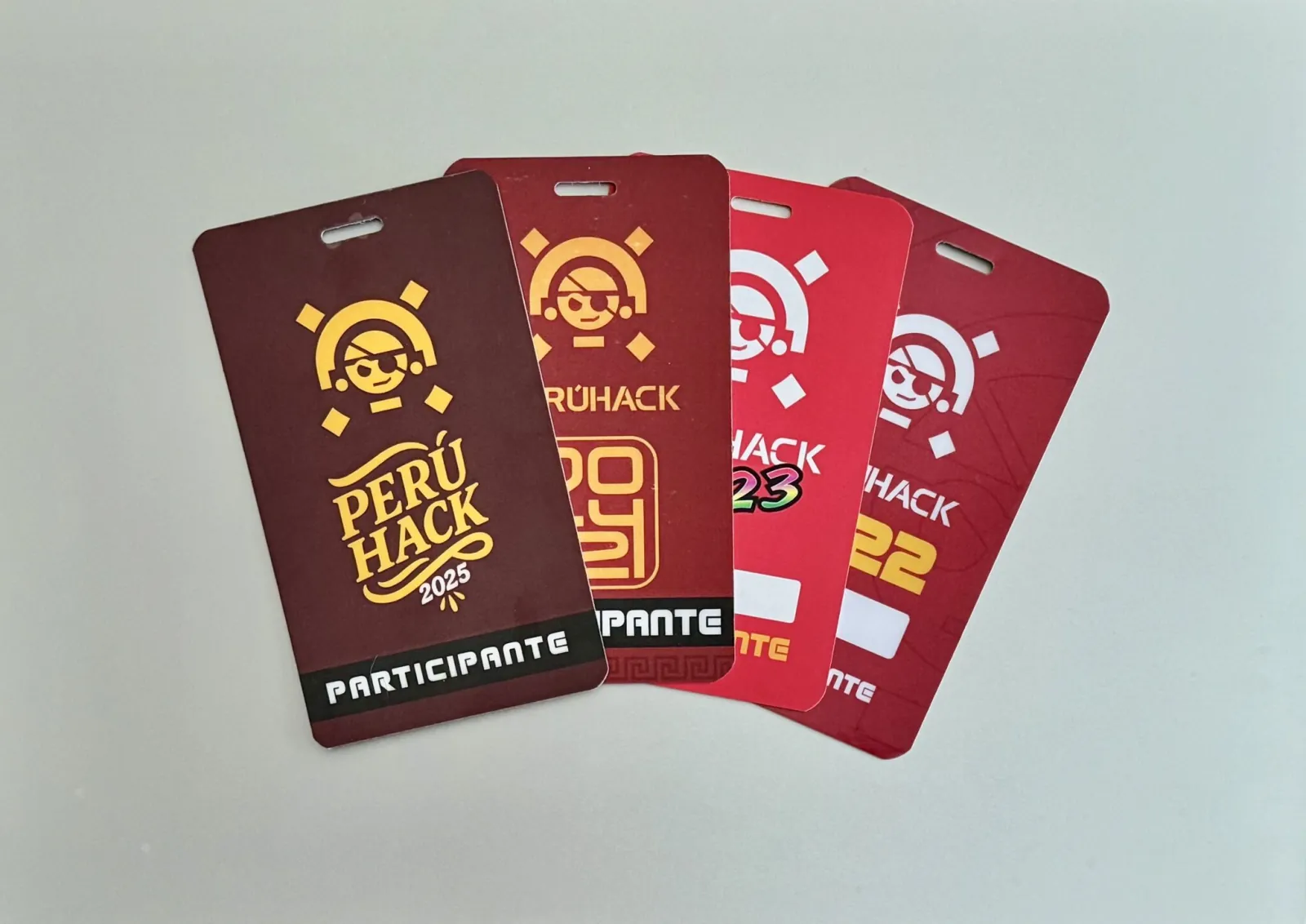
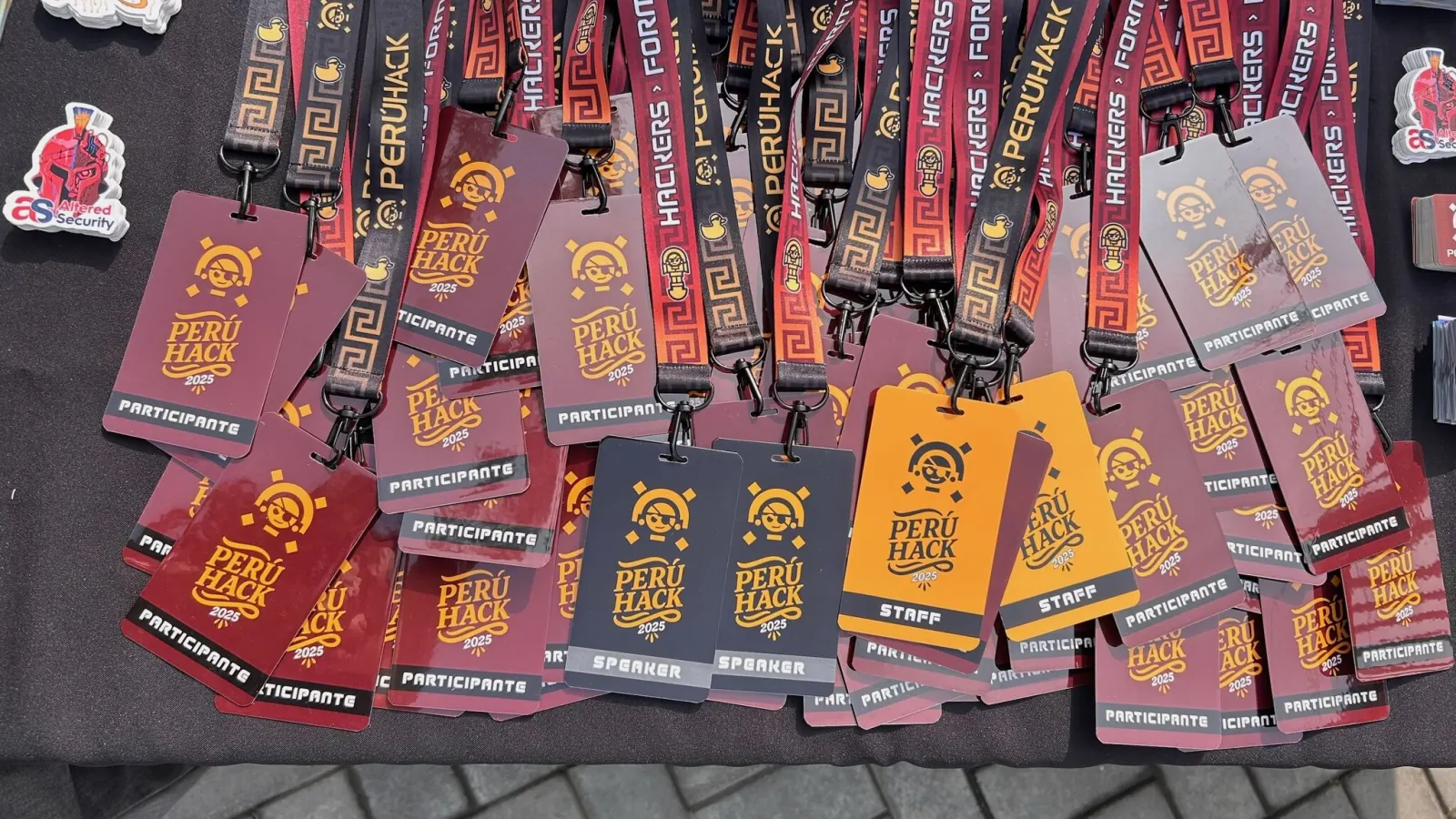
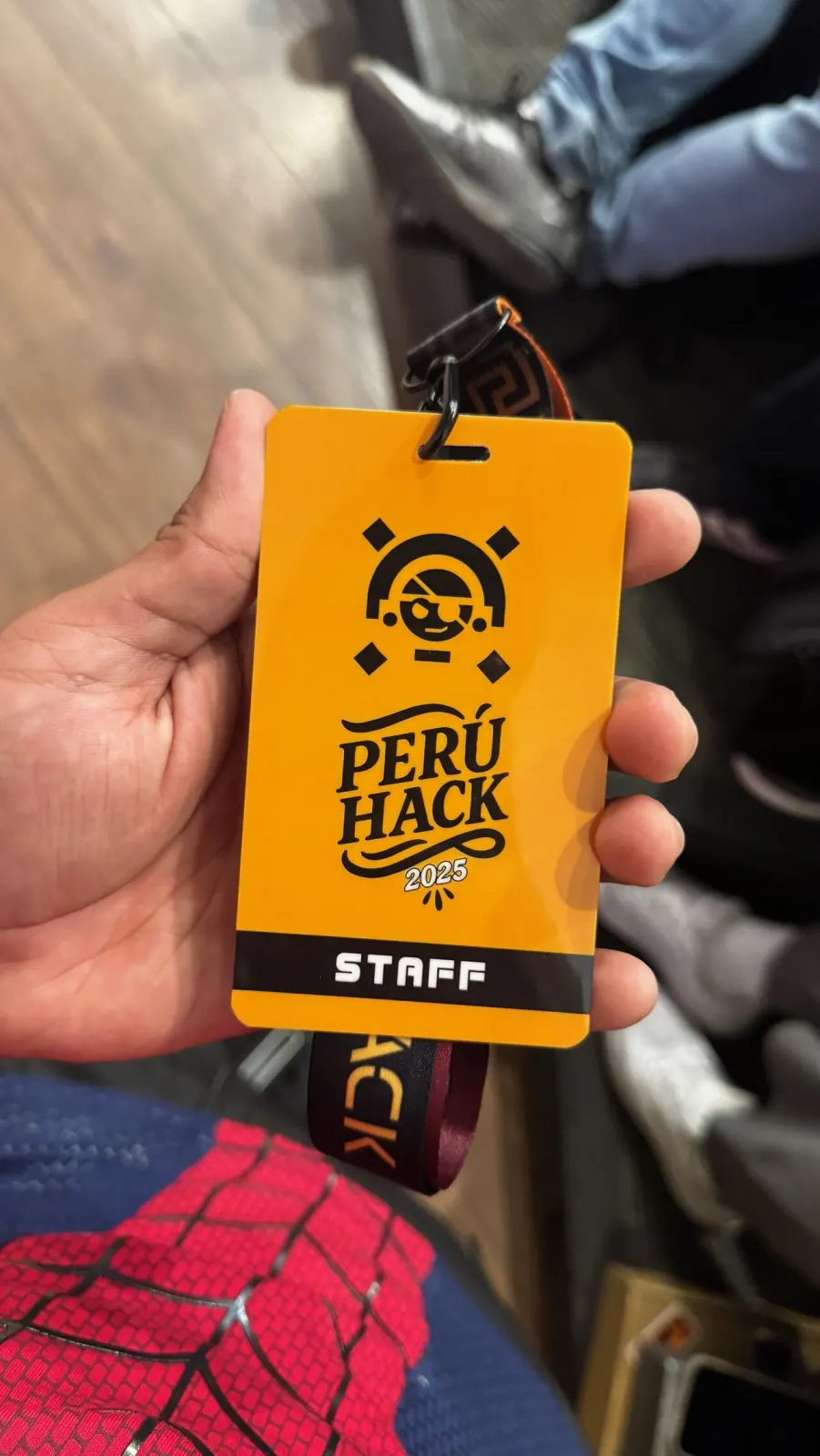
Talks, stickers, badges and knowledge. All free. Always. It has been that way since 2013. One thing, though: venue capacity is limited and every edition fills up, so registration is required and it's best to do it as soon as it opens.
Do I need to be an expert?
No. Some talks are advanced, but all of them are explained from the attacker's side, with demos, and each one leaves 10 minutes for your questions. No question is too basic. (Past editions had workshops, lightning talks and a CTF; in 2026 the format is talks only, 50 + 10.)
Are the talks recorded?
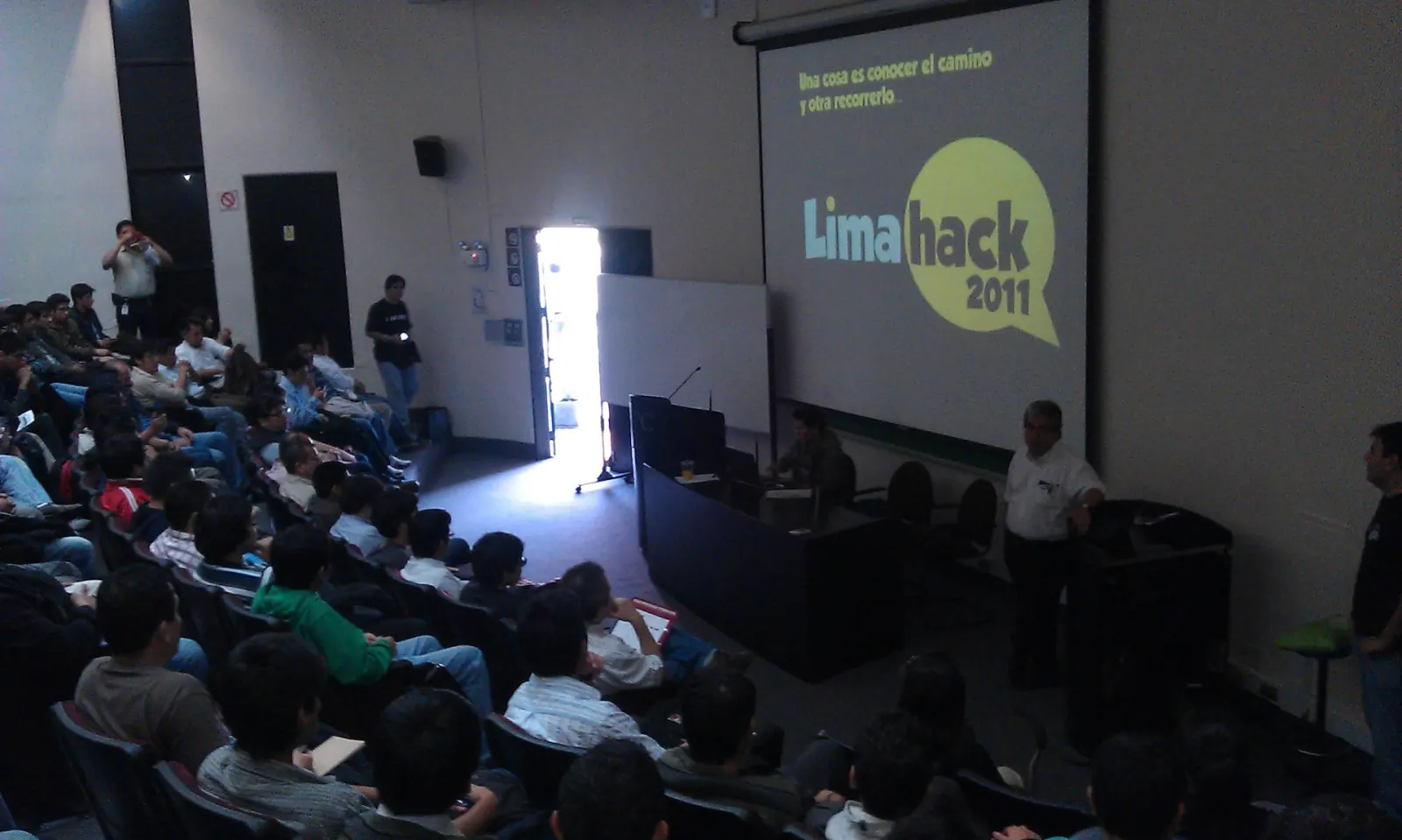
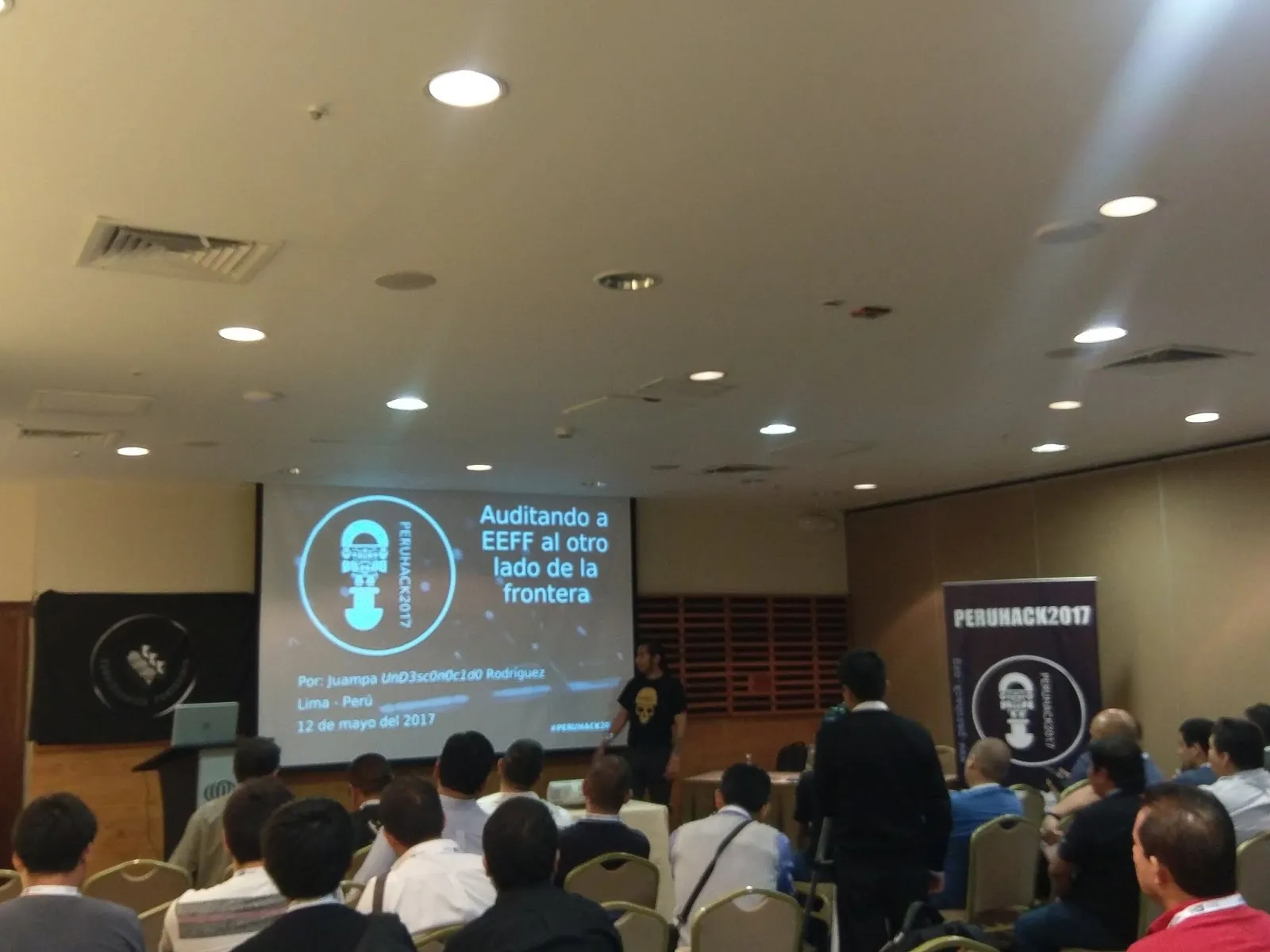
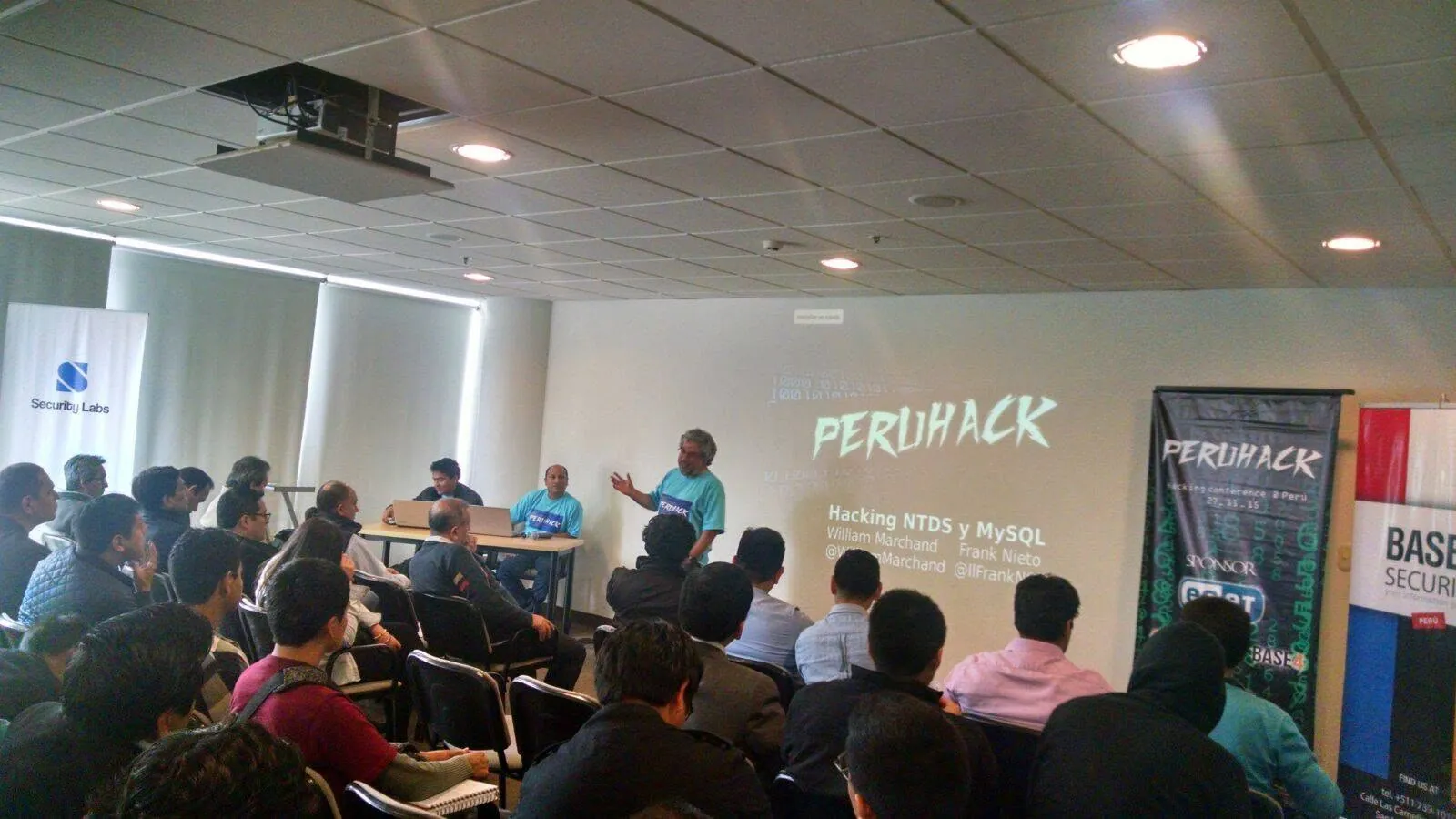
No. Talks are neither recorded nor streamed. Only two editions were streamed, Kernel Panic! (2020) and Recovery Mode (2021), because the pandemic left no other option. Nothing beats meeting in person: what happens at PERÚHACK is lived in the auditorium.
Why are there no sales pitches or booths?
Because knowledge takes center stage. Nobody buys minutes on stage or space on the agenda: talks are chosen by the technical committee alone. Those who contribute do so by role (supporting partners) or anonymously (shadow sponsors), and none of them gets a say in what is presented. If a partner donates vouchers or materials, they are handed out in open activities, never in exchange for your data. That independence is the reason PERÚHACK exists.
Is what's shown legal?
Yes. PERÚHACK teaches you to understand security from the attacker's point of view so you can defend better. Every talk comes with a disclaimer under Peruvian law, in particular Peru's Computer Crimes Law (Ley N.° 30096): what is shown is for educational and research purposes and must not be used against systems without authorization. Demos run in the speaker's own environments, in labs or with permission, and real findings are presented after responsible disclosure. No brands are attacked and no crime is glorified. Hacker is not a synonym for cybercriminal: here we celebrate curiosity, not damage.
What does “Hackers formando hackers” mean?
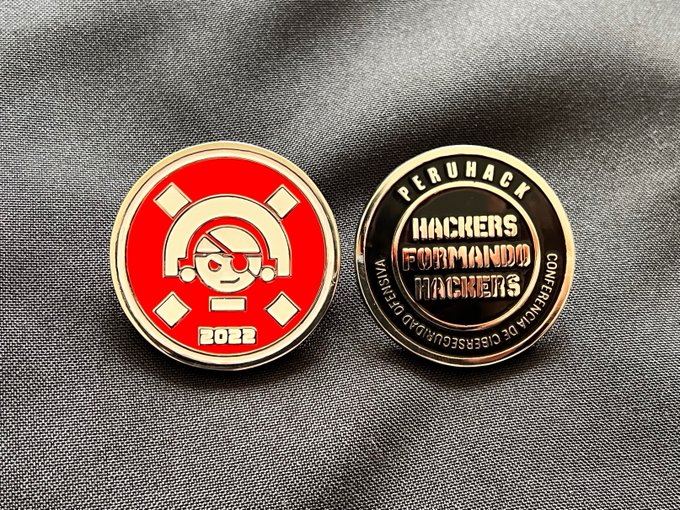
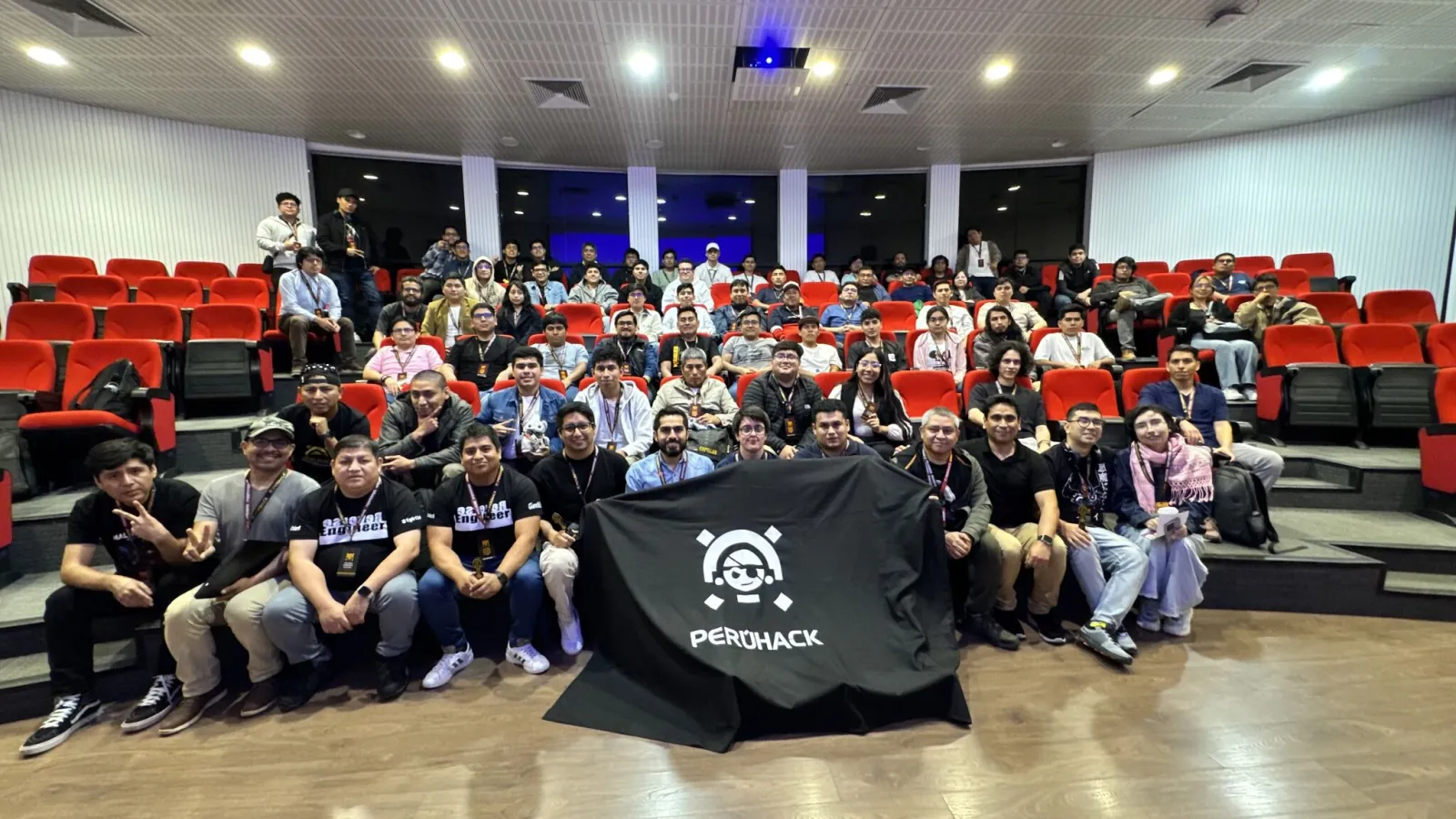
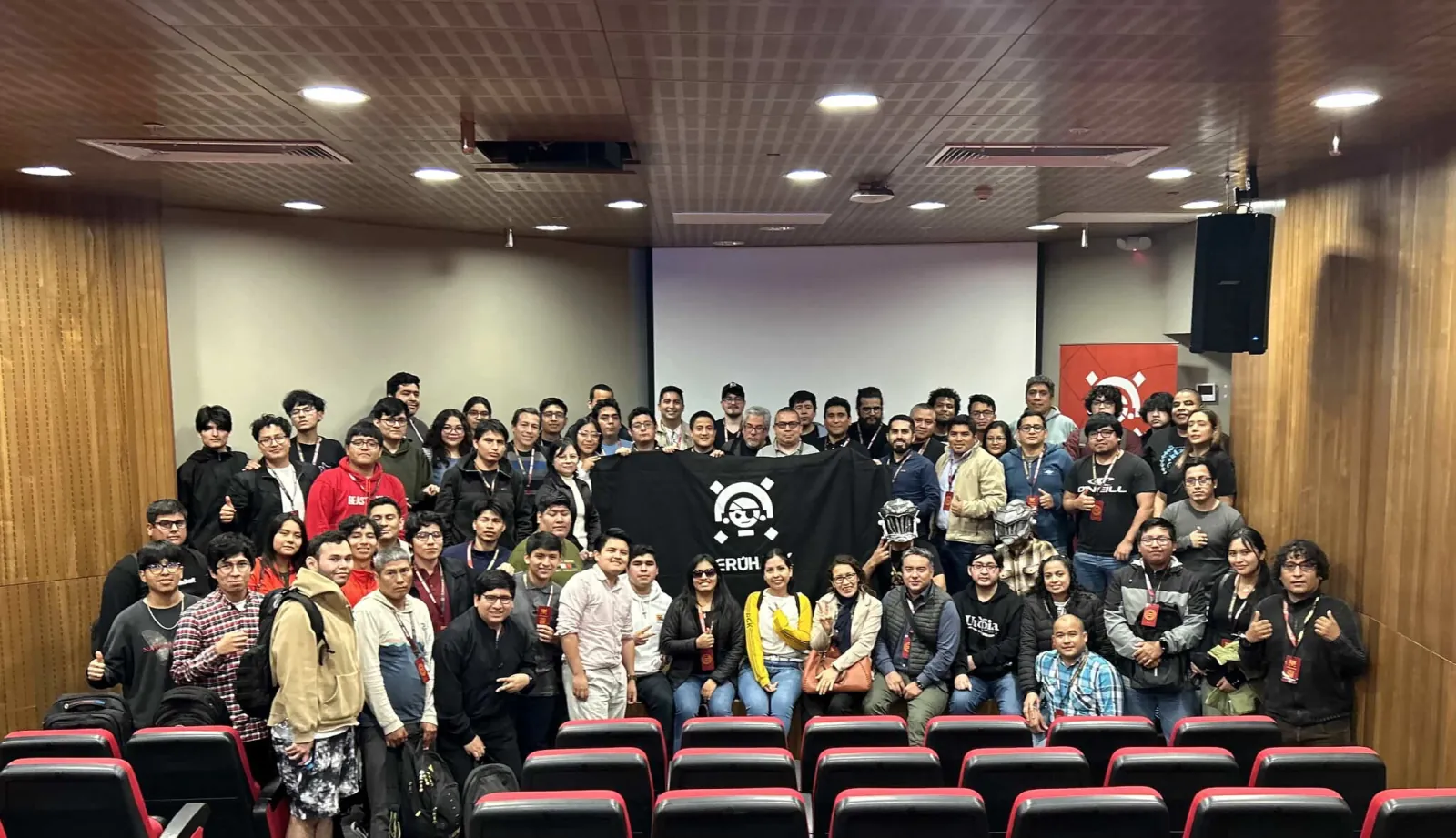
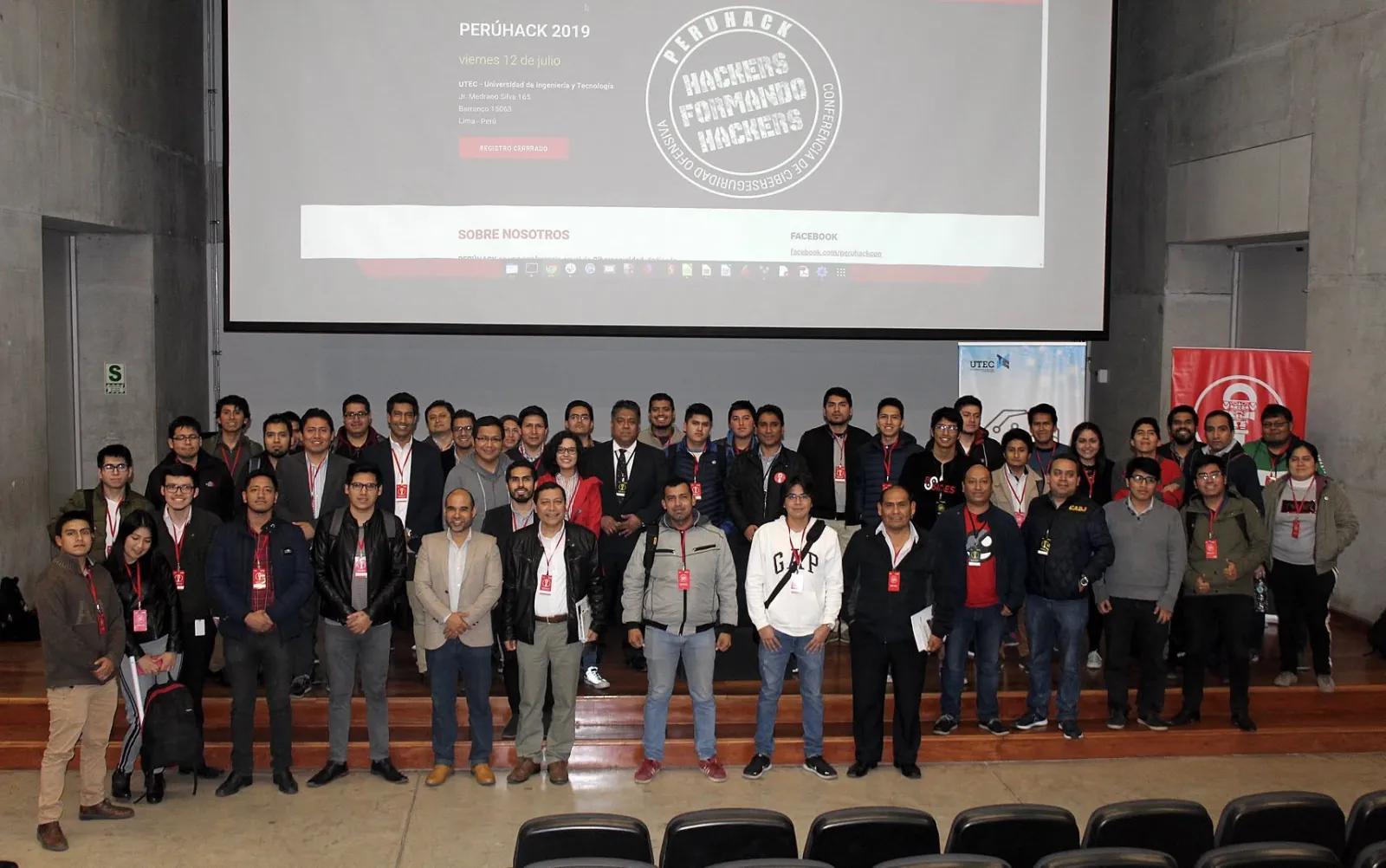
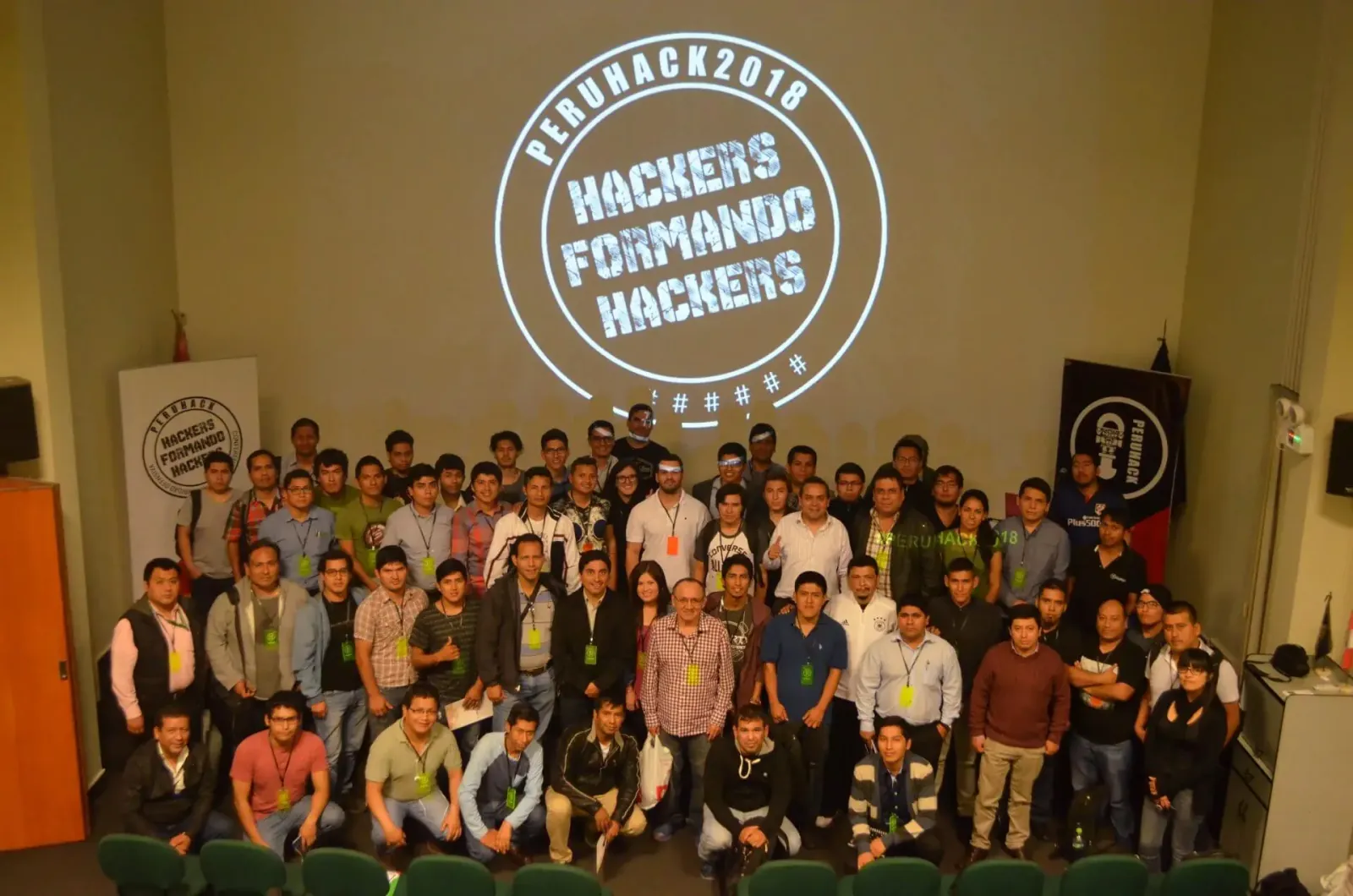
It means “hackers training hackers”: knowledge is passed from hand to hand. Whoever is in the audience today can be on stage tomorrow, and many of our speakers started out as attendees. It's hacker culture in its original sense: curiosity, ethics and the urge to share what you learn.
What criteria does the CFP use?
First, it has to be offensive security. Then: technical rigor, originality, evidence, relevance, clarity and independence (no commercial goals). Commercial or promotional talks, management or compliance talks, and theory without technical depth are not accepted. The full guidelines are in the CFP.
What is the Crossover?
A 5-minute slot right after lunch, where a representative of a community from another technical world (Rust or Android, for example) takes the stage to present it. The community is picked at random. The goal: let the ecosystem get to know itself. If your community wants to take part, write to us at info@peruhack.org.
Who supports PERÚHACK?
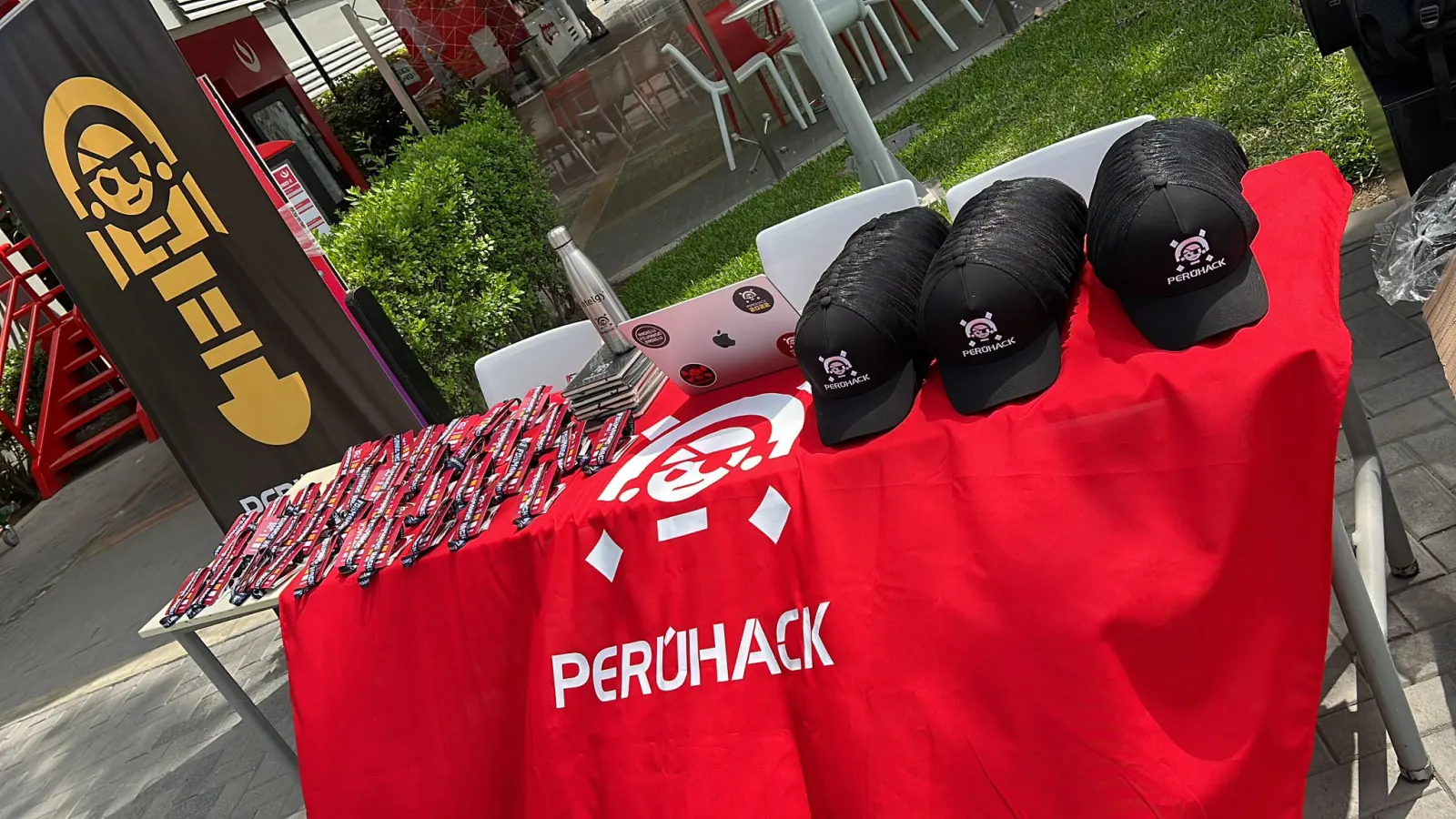
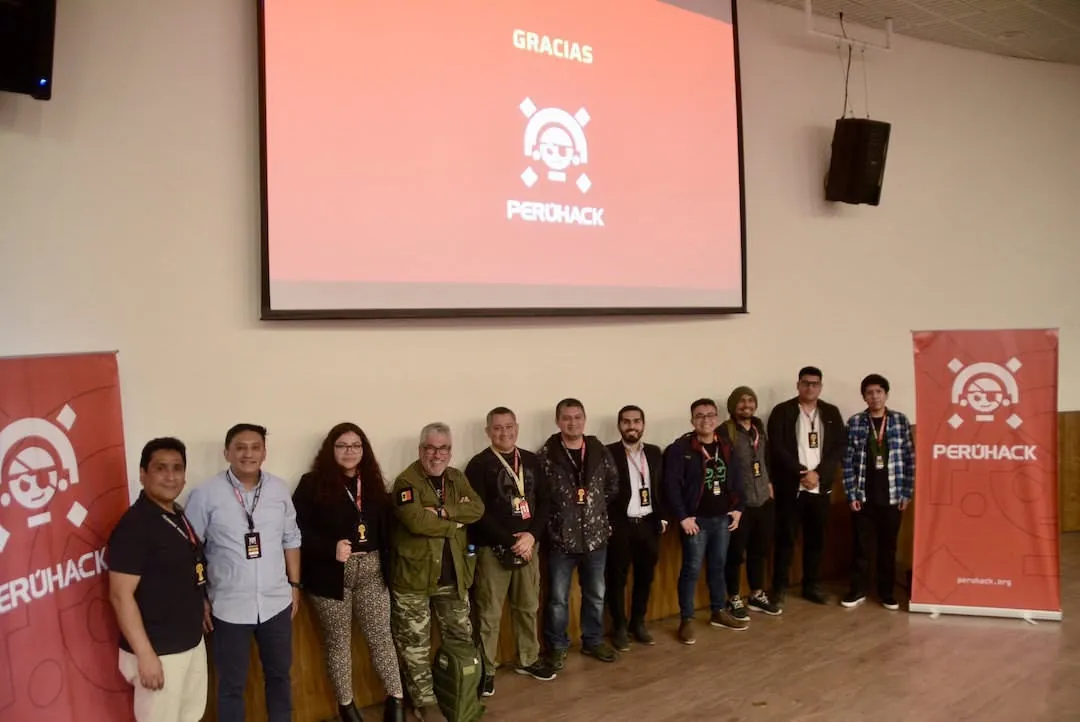
PERÚHACK runs on donations only: space, materials and time. Supporting partners contribute by role (hydration, food, snacks and infrastructure) and are recognized for what they make possible. Shadow sponsors donate anonymously, with no logo and no agenda slot, and speakers, staff and committee donate their time as volunteers. That anonymity protects the event's technical independence. If you want to join, write to us; your identity won't be published.
Is there a code of conduct?
Yes: the Participation Code. It requires respect toward everyone; harassment, threats, discrimination and any behavior that endangers people or the event's infrastructure are not tolerated. For speakers it also sets out commercial independence and responsible disclosure. You can report any incident to the staff or by email.
Can I hack the event network?
No. The offensive stuff stays on stage, within authorized scope and without touching anyone else's systems. Hacking ethically is part of the culture we stand for.
 PERÚHACK 2026
 tumi
 tumi hack
 icon